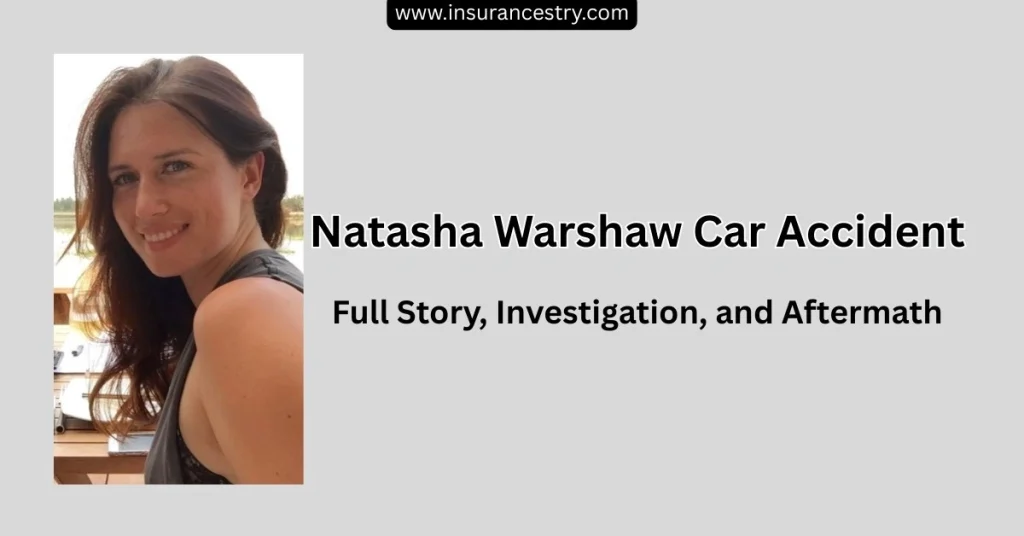
The Natasha Warshaw car accident shocked many people and left a lasting impact on those who knew her. News of the incident raised questions about what happened, what may have caused the crash, and how similar tragedies can be prevented in the future.
This article explores the story surrounding the accident, Natasha Warshaw’s life, the reported circumstances of the crash, community reactions, and the broader lessons it highlights about road safety and awareness.
Who Was Natasha Warshaw?
Before discussing the Natasha Warshaw car accident, it is important to understand who she was and why her story touched so many people.
Natasha Warshaw was known for her energetic personality and adventurous lifestyle. She was described as creative, outgoing, and passionate about travel, fitness, and self-expression. People who knew her remembered her as someone who embraced life, enjoyed meeting others, and pursued her goals with determination.
Friends described Natasha as someone whose positive energy could brighten a room. Whether she was working, spending time with family, or exploring new interests, she approached life with enthusiasm and optimism. Her tragic passing in a motor vehicle accident brought immense sadness to those who knew and admired her.
The Tragic Incident
What Happened?
Not every detail surrounding the Natasha Warshaw car accident has been made public. According to the information available in the original account, Natasha died from injuries sustained in a serious vehicle collision.
She was reportedly a passenger at the time of the accident. This serves as a reminder that road accidents can affect passengers as well as drivers, regardless of who is behind the wheel.
The Circumstances Surrounding the Crash
While official details about the specific cause remain limited, serious vehicle accidents can involve a number of contributing factors. These may include:
- Speeding or reckless driving
- Poor visibility or unsafe road conditions
- Driver distraction or fatigue
- Mechanical failure or tire problems
- Unexpected obstacles or collisions with other vehicles
The tragedy highlights how quickly a dangerous situation on the road can develop and how even a brief lapse in attention can have devastating consequences.
When and Where Did the Accident Happen?
The original account states that the accident reportedly occurred in California, although specific location details were not provided. It also states that emergency responders arrived at the scene quickly.
Because the available information is limited, the exact circumstances and location of the collision should not be assumed beyond what has been reported.
Community Reactions and Tributes
Shock and Grief
News of the Natasha Warshaw car accident reportedly brought an outpouring of grief from friends, family, and members of the broader community.
People shared memories, photographs, and messages of support, remembering Natasha for her personality, energy, and the way she approached life.
Memorials and Celebrations of Life
A celebration of life was reportedly held in her honor, giving friends and loved ones an opportunity to gather, share memories, and pay tribute to her.
Such gatherings can provide an important opportunity for people to remember someone not only through the circumstances of their death but also through the positive experiences and memories they left behind.
Continuing Her Legacy
Following the tragedy, people close to Natasha have sought to keep her memory alive through road-safety awareness, charitable efforts, and other positive activities.
Her story serves as a reminder of the importance of kindness, awareness, and making responsible choices on the road.
Investigation and Possible Factors
How Are Serious Car Accidents Investigated?
Serious vehicle crashes are generally investigated by examining a range of evidence. Investigators may inspect the accident scene, assess vehicle damage, review road conditions, and collect statements from drivers and witnesses.
In some cases, investigators may also examine information from vehicle systems and other available evidence to reconstruct what happened immediately before the collision.
For the Natasha Warshaw car accident, the original content does not provide a confirmed official cause. Therefore, possible contributing factors should not be presented as established facts.
Common Causes of Car Accidents
Although the specific cause of Natasha’s accident has not been confirmed in the supplied information, similar crashes can involve factors such as:
- Distracted driving — Using a phone, adjusting navigation, or engaging with electronic devices can take attention away from the road.
- Speeding — Driving too fast for the posted limit or road conditions can reduce reaction time and increase the severity of a collision.
- Driver impairment — Alcohol and drugs can affect judgment, coordination, and reaction time.
- Fatigue — Exhaustion can reduce concentration and impair decision-making.
- Mechanical problems — Faulty brakes, worn tires, or other vehicle problems can contribute to crashes.
- Weather and visibility — Rain, fog, darkness, and glare can make driving more difficult and increase risks.
These factors demonstrate why safe driving requires attention, preparation, and responsible decision-making.
Lessons from the Natasha Warshaw Car Accident
The tragedy highlights several important lessons about road safety and personal responsibility.
1. Life Can Change in Seconds
Car accidents can happen unexpectedly, even during short or routine journeys. Staying alert and paying attention to surrounding traffic is essential every time someone gets behind the wheel.
2. Safety Precautions Matter
Wearing a seat belt, maintaining a vehicle properly, and avoiding distractions are basic but important safety practices. Taking these precautions can help reduce the risk of serious injury.
3. Defensive Driving Is Important
Defensive driving means remaining aware of other vehicles and anticipating potential hazards. Maintaining a safe following distance, using turn signals, and slowing down when conditions are uncertain can help reduce the likelihood of collisions.
4. Never Drive Under the Influence
Alcohol and drugs can significantly impair judgment and reaction time. Avoiding impaired driving is one of the most important choices a driver can make to protect themselves and others.
5. Respect Road and Weather Conditions
Drivers should adjust their speed and behavior according to conditions. Rain, fog, darkness, and poor visibility can make roads more dangerous, so extra caution is necessary.
The Broader Impact of the Tragedy
Awareness and Advocacy
The Natasha Warshaw car accident has been presented as a reminder of how important road safety can be. Stories of sudden accidents can encourage people to reconsider risky driving behaviors and become more aware of the consequences of distraction, speeding, and poor judgment.
Influence on the Community
According to the supplied content, Natasha’s loss encouraged people around her to become more mindful drivers. Some community members also advocated for stronger safety enforcement and improved driver education in the hope of preventing future tragedies.
Emotional Healing and Support
The effects of a serious accident extend far beyond the physical damage. Family members, friends, and survivors can experience significant emotional distress following a sudden loss.
Support from loved ones, community groups, counseling, and remembrance events can help people process grief and begin moving forward.
Understanding Why Car Accidents Happen
The Natasha Warshaw car accident also provides an opportunity to consider the broader issue of traffic safety.
The original content points to several common contributors to serious crashes, including human error, distracted driving, speeding, and failure to use seat belts. Understanding these risks can help drivers make safer choices and encourage passengers to take appropriate precautions.
Rather than assuming that every accident has the same cause, it is important to recognize that individual crashes require careful investigation to determine what actually happened.
Preventing Future Accidents
Preventing future tragedies requires a combination of individual responsibility, education, enforcement, technology, and safer infrastructure.
Some measures that can contribute to safer roads include:
- Road safety education: Teaching safe-driving practices in schools, workplaces, and communities.
- Traffic-law enforcement: Holding reckless or dangerous drivers accountable.
- Vehicle safety technology: Using features such as collision warnings, lane-departure alerts, and automatic braking when available.
- Infrastructure improvements: Improving lighting, intersections, road design, and signage.
- Public awareness campaigns: Promoting seat-belt use, sober driving, responsible speeds, and distraction-free driving.
Together, these efforts can help reduce preventable crashes and create safer roads for everyone.
The Emotional Aftermath
A serious accident can leave emotional scars long after the physical event has ended. The Natasha Warshaw car accident deeply affected those who knew her, according to the supplied account.
Grieving a sudden loss can be extremely difficult. Community support, remembrance, and opportunities to celebrate someone’s life can help families and friends cope with their loss.
The original content also describes charitable efforts, tributes, and creative expressions as ways people have sought to preserve Natasha’s memory and honor the positive qualities associated with her life.
Final Thoughts
The Natasha Warshaw car accident is presented as a heartbreaking reminder of how quickly life can change. While the available information does not establish every detail surrounding the crash, the story highlights the importance of road safety, attentiveness, and responsible driving.
Remembering a person should involve more than focusing on the circumstances of their passing. It can also mean recognizing the qualities that made their life meaningful and using the experience as an opportunity to encourage safer choices.
Through awareness, education, and responsible driving habits, people can help reduce the risks faced by drivers and passengers every day.